


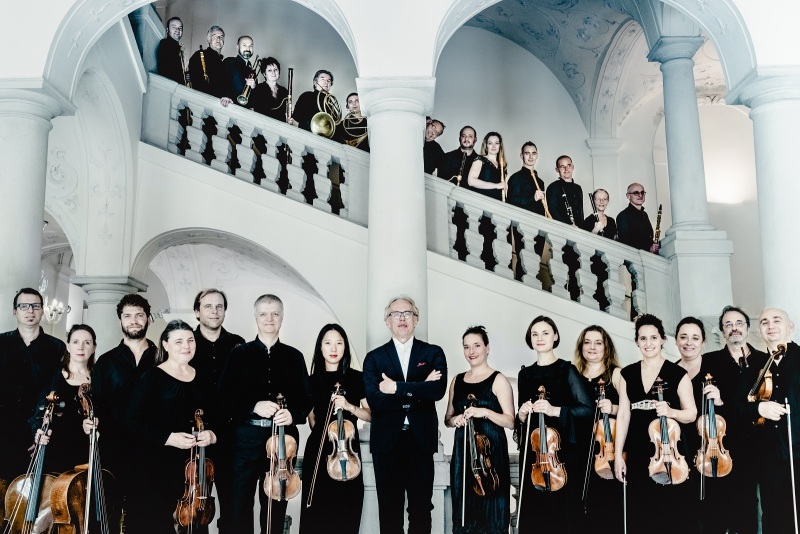
Martin Haselböck and the Orchester Wiener Akademie
Music and Poetry – Goethe, Schiller, Liszt
22 October 2024 | 7.30 pm
Pesti Vigadó — Ceremonial Hall


#Orchestral concert
#Classical music
Liszt:
Tasso – Lament and Triumph
Liszt:
Piano Concerto No. 1 in E-flat major
Liszt:
Malédiction
Liszt:
The Ideals – symphonic poem
Prose:
Márk Ember
Featuring:
Fülöp Ránki – piano, Orchester Wiener Akademie
Conductor:
Martin Haselböck
The contradictory social situation of the artist, the elusiveness of success, the workings of creative inspiration or the responsibility of the genius are general artistic and aesthetic problems that essentially defined Ferenc Liszt’s thinking. Lament and Triumph, which ponders the tragic fate of the Baroque poet Tasso, and The Ideals, his resigned reflection on his own artistic situation, are symphonic poems that reveal Liszt’s creative dilemmas with the sharpness of an X-ray machine.
The conductor of the concert, which explores the typically Lisztian links between poetry and music, will be Martin Haselböck, who is one of the most devoted enthusiasts of Liszt’s music both as a conductor and organist. He has done an invaluable service for the reconstruction of the symphonic sound of the 19th century, and The Sound of Weimar, a series of recordings, has cast a radically new light on Liszt’s symphonic poems. The Orchester Wiener Akademie, which he founded, strives to create an authentic sound not only through the instruments it uses, but also through its choice of venues, which in acoustic and historical terms are as close as possible to the environments in which the works were first performed. The soloist of the evening is a luminary of the young generation of pianists, Fülöp Ránki.
This concert of the Liszt Fest is presented by Müpa Budapest as a joint event with Pesti Vigadó and a side event of the Hungarian Presidency of the Council of the European Union.
Partner: Hungarian Academy of Arts
#Orchestral concert
#Classical music

Recommendations

12. 10. 2026
An Evening with Marcsi Tóth
In 2025, Erdő van idebenn (There’s a Forest Inside) won the Margó Prize for Best First Book of Prose. This was Marcsi Tóth’s first book, brought out by Magvető, and it had been in the making since 2011. It takes place in the world of provincial...
More info

16. 10. 2026
Thaw
Olvadás (Thaw), Tibor Noé Kiss’s novel, is set in the spring of 2019 in a village in Baranya County, where a woman in her thirties, formerly a social worker, leaving her old life behind, starts a new one with her husband, a cultural anthropologist....
More info
17. 10. 2026
Vakhtang Kakhidze | Budafok Dohnányi Orchestra
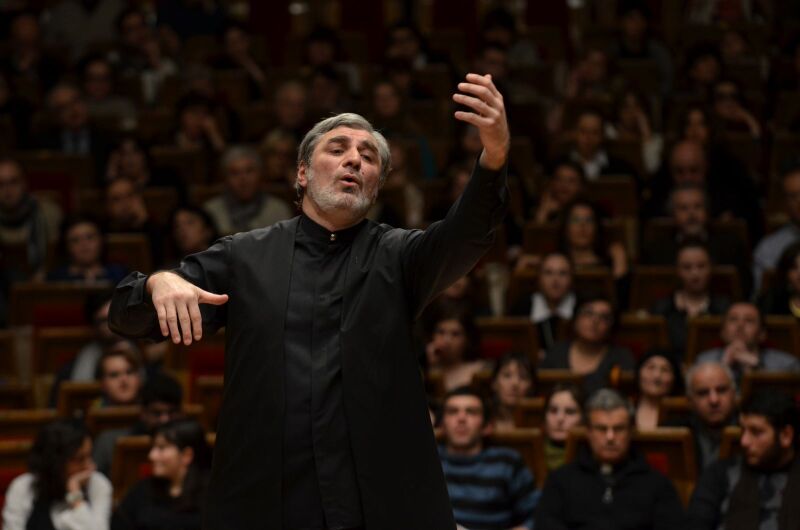
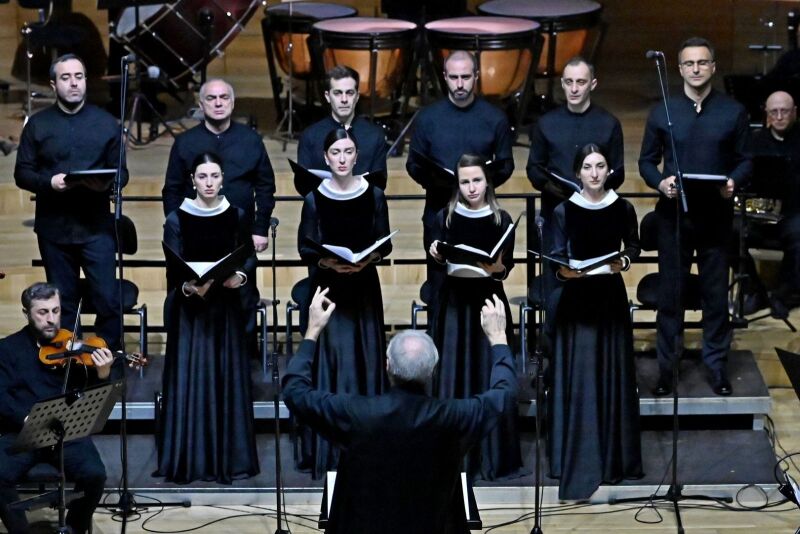
Vakhtang Kakhidze, one of Georgia’s leading composers and conductors, completed his Requiem in 2021, dedicating the monumental work to the memory of his father, the legendary conductor, Djansug Kakhidze. Following its Tbilisi premiere, the...
More info
© 2026
Müpa Budapest Nonprofit Ltd. // The organizers reserve the right to make changes.